10 Ways To Cope With A Mental Health Diagnosis
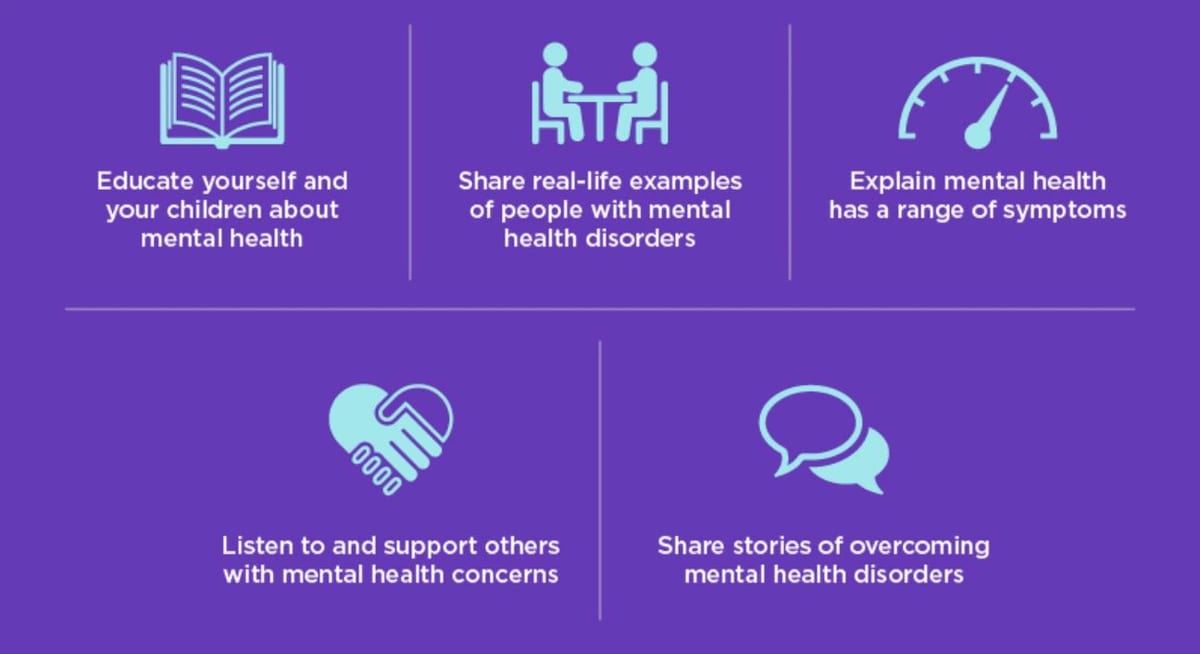
- Education and understanding: Educate yourself about your mental health diagnosis. Learn about the symptoms, treatments available, and common coping strategies. The more you understand, the better equipped you'll be to manage your condition.
- Build a support network: Surround yourself with people who can offer support and understanding. This can include friends, family, support groups, therapists, or online communities. Having a support network can provide emotional support and practical help when needed.
- Follow treatment plans: Work closely with your healthcare professionals to develop and follow a treatment plan. This may include medication, therapy, lifestyle changes, or a combination of these. Consistency with treatment can help manage symptoms and improve overall well-being.
- Practice self-care: Engage in activities that promote self-care and overall well-being. This can include getting enough sleep, eating a balanced diet, exercising regularly, practicing relaxation techniques, and pursuing hobbies that bring joy and relaxation.
- Establish a routine: Creating a structured daily routine can provide a sense of stability and control. Set regular times for meals, sleep, work, and leisure activities. Consistency and structure can help manage symptoms and reduce stress.
- Seek therapy: Consider therapy as part of your treatment plan. Therapy can help you process emotions, identify triggers, develop coping strategies, and improve overall mental health. Different therapy approaches, such as cognitive-behavioral therapy or mindfulness-based therapy, may be beneficial for different conditions.
- Practice stress management: Learn and utilize stress management techniques to help reduce and manage stress. This can include deep breathing exercises, mindfulness meditation, journaling, listening to music, or engaging in relaxing activities like yoga or tai chi.
- Set realistic goals: Set realistic and achievable goals for yourself. Break larger tasks into smaller, manageable steps, and celebrate your achievements along the way. This can help boost self-confidence and reduce feelings of being overwhelmed.
- Focus on self-acceptance: Accepting and embracing your mental health diagnosis is crucial in managing it. Recognize that having a mental health condition does not define your worth as a person. Practice self-compassion and be kind to yourself, acknowledging that it's okay to have days when you're not feeling your best.
- Stay connected: Stay connected with your loved ones and engage in activities that give you a sense of purpose and fulfillment. Isolation can worsen mental health symptoms, so make an effort to maintain social connections and engage in activities that bring you joy.
Remember, everyone's journey is unique, and coping strategies may vary from person to person. It's essential to work with healthcare professionals to find the most effective strategies for managing your specific mental health diagnosis.
To schedule an appointment with Zalfi please click HERE.
This article is general information, not medical advice. It cannot diagnose you and is not a substitute for an evaluation by a licensed clinician.